Should You Upgrade from Apple Iphone Air to Samsung Galaxy S25 Fe?
Deciding whether to switch from an Apple Iphone Air to a Samsung Galaxy S25 Fe involves more than a checklist of specs. It is a question about personal priorities: ecosystem commitments, camera habits, daily battery life needs, preferred user interface, and long-term software support. This article breaks down the practical differences that matter for everyday use, examines pros and cons for each phone, and offers a buying guide to help readers decide whether this upgrade makes sense for their lifestyle.
Introduction
Both Apple and Samsung design phones aimed at satisfying different kinds of buyers. The Apple Iphone Air positions itself as a lightweight, approachable device that blends iOS simplicity with modern features, while the Samsung Galaxy S25 Fe targets users who want flagship-like features at a slightly more accessible price point and the flexibility of Android. The choice to upgrade should be driven by how the device will be used in real-world scenarios: photography on the go, heavy multitasking and productivity, gaming, or simply a dependable daily driver with long battery life and reliable updates.
Detailed Product Review and Analysis
Design and Build
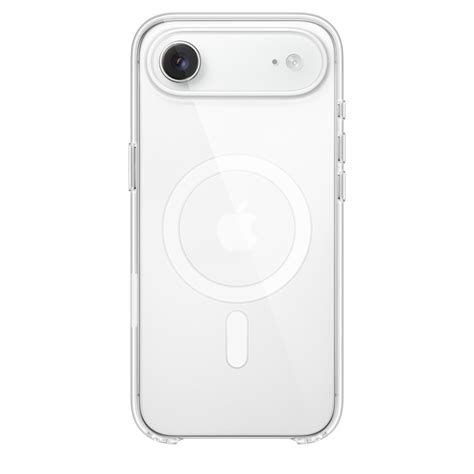
The Apple Iphone Air emphasizes thinness, minimalism, and a uniform hardware aesthetic that integrates tightly with Apple's accessory ecosystem. It tends to favor lighter weight and a compact footprint compared with many Android equivalents, which can be important for users who prefer one-handed use or carry phones in small pockets.
The Samsung Galaxy S25 Fe follows Samsung’s recent design language with a slightly more utilitarian approach: durable materials, curved or flat display options depending on the model variant, and a focus on ergonomics. Samsung often includes IP-rated water and dust resistance and uses materials chosen to balance feel and cost. For someone who values a grippable, resilient device—and often uses a case—the Galaxy S25 Fe is typically a pragmatic choice.
Display and Everyday Use
Displays are a major point of differentiation. The Apple Iphone Air presents an OLED panel tuned for color accuracy and consistent brightness in typical indoor and outdoor environments. iOS controls color management closely, making image and text rendering uniform across apps.
The Samsung Galaxy S25 Fe usually offers a high-quality AMOLED panel with high refresh rates and aggressive peak brightness modes for HDR content. Samsung often gives users more granular control over display settings, such as color profiles and refresh rate behavior, which appeals to power users and media consumers who want to optimize for battery life or smoothness.
Performance and Daily Responsiveness
Performance perceptions depend both on raw silicon and software optimization. The Apple Iphone Air benefits from Apple's tight hardware-software integration, which typically results in smooth app performance, long-term responsiveness, and efficient thermal management under sustained use.
The Samsung Galaxy S25 Fe usually ships with a competitive chipset that delivers strong performance for multitasking and gaming. In daily use, Android's flexibility and Samsung's feature set (e.g., split-screen multitasking, windowed apps) can feel more productive for users who frequently switch between apps or use the phone with external displays.
Camera and Content Creation
Camera systems represent a major consideration for many buyers. The Apple Iphone Air tends to deliver consistent, color-accurate images with reliable exposure and excellent video stabilization. Apple's image processing favors natural tones and strong computational photography for everyday snapshots and social media content.
Discover deals on Mobile Phones — updated daily.
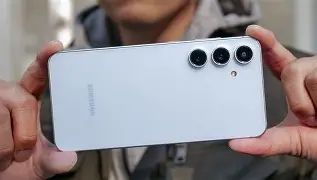
Shop Amazon →The Samsung Galaxy S25 Fe often emphasizes versatility: a primary sensor that produces detailed images, a telephoto or periscope option for longer reach on some variants, and advanced night and portrait modes that allow creative control. Samsung also provides more in-app camera options and editing tools. For buyers who prioritize zoom capability or like to tinker with camera settings, the Galaxy S25 Fe may be more appealing.
Battery Life and Charging
Battery life depends heavily on screen usage, app behavior, and software efficiency. The Apple Iphone Air's battery management is generally conservative and optimized for consistent day-long performance. Fast charging and wireless charging options are available, though Apple historically places less emphasis on ultra-fast wired charging compared with some Android manufacturers.
The Samsung Galaxy S25 Fe usually offers larger battery capacity and faster wired charging speeds in many regions. Samsung also tends to include more flexible charging features—such as reverse wireless charging and adaptive charging profiles—that benefit users who want quick top-ups during the day or to share power with accessories.
Software and Ecosystem
One of the biggest practical differences is the ecosystem. The Apple Iphone Air integrates with macOS, iPadOS, Apple Watch, and Apple services, making workflows seamless for users already invested in Apple hardware. Features such as unified messaging, AirDrop, and device continuity are useful for multi-device households or professionals who rely on fast file handoff.
The Samsung Galaxy S25 Fe runs Android with Samsung's One UI layered on top. This provides broad customization, integration with Google services, and compatibility with a wider range of hardware vendors. Samsung also supports features like DeX for desktop-style workflows. For users who prefer customization, use a mixed ecosystem, or value interoperability with a variety of hardware and app ecosystems, the Galaxy S25 Fe has an advantage.
Software Updates and Longevity
Apple is known for providing extended iOS updates across many years for a wide range of devices. This often translates into longer usable lifespans and consistent security patches. Samsung has been improving its update commitments and often provides several years of Android OS upgrades and security updates for its higher-end and FE models, but the exact duration may vary by region and carrier.
Repairability and Accessories
Repairability affects long-term ownership costs. Apple devices usually have well-documented repair pathways and a robust network of authorized service providers, though repair costs can be high unless covered by a warranty or insurance. Samsung has an extensive repair network as well and tends to make spare parts available broadly, but the relative cost and speed of repairs depend on region and service policies.
Pros & Cons
Apple Iphone Air
- Pros: Consistent iOS performance; seamless integration with Apple ecosystem; reliable camera output and video; strong privacy and security features; typically long OS support lifecycle.
- Cons: Less customization than Android; fewer hardware configuration options; charging speeds and battery capacity may lag behind some Android rivals; potentially higher repair costs without coverage.
Samsung Galaxy S25 Fe
- Pros: Feature-rich One UI experience with customization; versatile camera features and optional telephoto reach; often faster charging and larger batteries; flexible integration with Google and Samsung services; good value for feature set.
- Cons: Software experience varies with preinstalled apps and carrier customizations; update policy improving but may not match Apple’s long-term consistency; some features may differ by region or SKU.
Detailed Comparison Table
| Category | Apple Iphone Air | Samsung Galaxy S25 Fe |
|---|---|---|
| Operating System | iOS — tightly integrated, consistent updates | Android + One UI — more customization and features |
| Design | Lean, minimalist, lighter footprint | Ergonomic, often more durable options |
| Display | Color-accurate OLED, optimized for natural tones | High-refresh AMOLED with custom display modes |
| Performance | Smooth, efficient due to hardware-software integration | Strong and versatile; good for multitasking and gaming |
| Camera | Reliable, natural, excellent video stabilization | Versatile, feature-rich, often better zoom options |
| Battery & Charging | Consistent day-long life; moderate charging speeds | Larger batteries, faster wired charging, more features |
| Ecosystem | Best for users invested in Apple hardware | Best for users who prefer Android flexibility or mixed ecosystems |
| Software Updates | Long, consistent update support | Good and improving, but varies by region/carrier |
| Value | Premium brand value and resale | Often better feature-to-price ratio |
Real-World Use Cases
For the Commuter
A commuter who relies on reliable battery life and quick information access may prefer the Samsung Galaxy S25 Fe for its larger battery and fast charging. However, if the commuter uses an Apple Watch and a MacBook, the Apple Iphone Air’s continuity features—notifications, Handoff, and secure messaging—can simplify daily routines.
For the Traveler and Content Creator
A traveler who photographs landscapes and needs versatile zoom options and long battery life may find the Galaxy S25 Fe more adaptable. Conversely, a content creator who values color-accurate photos and seamless transfer to a Mac for editing may prefer the Apple Iphone Air for an easier mobile-to-desktop workflow.
Looking for the best Mobile Phones deals on Amazon?
View Offers →For the Gamer
Mobile gamers benefit from high refresh rates and aggressive thermal performance. The Galaxy S25 Fe’s display and charging can offer advantages for extended sessions; however, iOS often delivers better optimization for certain games and a consistent performance experience without as much device fragmentation.
For the Professional
A professional who needs secure messaging, dependable software updates, and tight integration with desktop apps may stay with the Apple Iphone Air. Alternatively, professionals who use Google Workspace, prefer file system access, or need multi-window multitasking could gain productivity with the Galaxy S25 Fe.
Buying Guide: How to Decide
Use this checklist to weigh priorities when considering the upgrade.
- Ecosystem lock-in: If most devices are Apple (Mac, iPad, Apple Watch), the benefits of staying in the ecosystem often outweigh marginal hardware advantages from switching. For users with mixed or Google-centric devices, Android’s flexibility is attractive.
- Camera priorities: Determine whether a natural, consistent camera output or a versatile, adjustable camera system is more valuable. The former tends to favor Apple, the latter often favors Samsung.
- Battery and charging: If endurance and fast top-ups are essential (e.g., long commutes, travel), favor the Galaxy S25 Fe. If reliable day-long life and energy efficiency are satisfactory, the Apple Iphone Air will perform well.
- Software updates: For maximum longevity, Apple’s update cadence is a strong selling point. Samsung’s update policy for recent models has improved, but confirm region-specific upgrade promises before relying on long-term support.
- Resale and total cost of ownership: Apple devices often retain higher resale value, which can offset higher upfront costs. Samsung devices with strong value propositions may depreciate faster but often cost less initially for similar features.
- Customization vs simplicity: Prefer a phone that “just works” with minimal fuss? Apple’s approach prioritizes simplicity. Prefer tweaking UI, display profiles, and app behaviors? Android and Samsung’s One UI offer deeper customization.
- Accessories and repair: Consider the availability and cost of protective cases, screen protectors, and service options in the buyer’s region. Also check whether a trade-in program or insurance makes the switch easier financially.
Practical Steps Before Switching
- Back up the Apple Iphone Air to iCloud and export contacts, photos, and important files. Verify that cloud-stored content is accessible from non-Apple platforms if moving to Android.
- Confirm apps and subscriptions work across platforms or have web equivalents. Some apps save data only to iCloud; ensure data portability before switching.
- Check carrier compatibility and eSIM support when moving between ecosystems to avoid activation delays.
- Evaluate trade-in or resale channels for the Apple Iphone Air to offset the cost of a Galaxy S25 Fe, and factor in any potential accessory replacements (e.g., MagSafe-compatible chargers).
When an Upgrade Makes Sense
Upgrading from an Apple Iphone Air to a Samsung Galaxy S25 Fe makes sense when the buyer’s priorities change in favor of hardware flexibility, display customization, faster charging, or photo versatility. It is also a sensible move for users who want to break away from a single-vendor ecosystem, prefer Android-specific apps and widgets, or need features like desktop-like DeX experiences.
Conversely, if the buyer values continuity with Apple services, relies on an Apple Watch, or prefers the stability and longevity of iOS updates, staying with the Apple Iphone Air is often the better economic and practical decision.
Conclusion
The decision to upgrade from an Apple Iphone Air to a Samsung Galaxy S25 Fe rests on what the phone will be asked to do day to day. For users who prioritize customization, versatile camera features, faster charging, and an adaptable operating system, the Galaxy S25 Fe represents a compelling step up. For users deeply invested in Apple’s ecosystem, who favor a compact, consistent experience and extended software support, the Apple Iphone Air remains a strong, pragmatic choice.
Ultimately, the practical path is to match the device to the user’s habits: choose the platform that reduces friction in daily workflows, improves the experiences that matter most (photography, work, gaming, or commuting), and offers acceptable long-term support and total cost of ownership. With those priorities clarified, the right choice becomes substantially easier.