The Ultimate Showdown: Dyson V11 vs Dyson Gen5Detect Whats The Difference for 2026
Cordless stick vacuums remain one of the most practical household upgrades for busy homes. Dyson’s name dominates conversation in this category, and two models that often appear together in comparison guides are the Dyson V11 and the Dyson Gen5Detect. This article analyzes how they differ in real-world use, what buyers typically care about, and which model makes the most sense depending on lifestyle, floor type, and cleaning priorities in 2026.
Introduction: Why this comparison matters
Both the Dyson V11 and the Gen5Detect are positioned as premium cordless vacuums, but they were released in different product cycles and reflect slightly different engineering priorities. The V11 set a benchmark when it arrived: strong suction, intelligent power delivery, and a full-featured onboard interface. The Gen5Detect, a later iteration in Dyson’s lineup, focuses on detection technology for hard floors and refinements aimed at everyday convenience. For buyers choosing between a slightly older flagship and a newer, detection-focused model, the decision comes down to performance in specific use cases, long-term value, and accessories that match household needs.
At-a-glance: core differences
Before diving into details, here are the broad strokes:
- Cleaning focus: V11 is an all-round power-oriented flagship with strong performance on carpets and mixed floors. Gen5Detect emphasizes detection on hard floors (laser/optical heads) to reveal fine dust while keeping modern ergonomics and efficiency improvements.
- Detection tech: Gen5Detect includes visible dust-detection features on the cleaner head to make fine particles easier to see; V11 relies on suction performance and airflow design without that targeted illumination.
- Run-time and battery: Both models are designed for whole-home cordless use, but differences in battery chemistry, power management, and included batteries (single vs. swappable options depending on region/configuration) can change practical runtime for heavy-duty cleaning.
- Accessories and heads: The exact kit contents often determine which model is better for pet hair, deep-pile carpets, or delicate hard floors.
Detailed product analysis
Dyson V11 — overview and what it does well
The Dyson V11 arrived as a successor to v8 and v10-era models, aiming to combine high suction with smarter motor control. In practice, V11 is notable for:
- Robust suction across power modes — the motor and cyclone assembly were tuned to maintain cleaning performance on medium- and high-pile carpets.
- Adaptive cleaning behavior — models shipped with an automatic mode that adjusts motor output based on resistance in the cleaner head, helping balance run-time and power.
- Onboard information — many V11 variants included a small display showing remaining run-time in each mode, maintenance notifications, and blockage warnings.
- Attachment variety — V11 kits historically included a torque-drive head for carpets, a soft roller option in some bundles, a mini motorized tool for upholstery, and crevice/combination tools for nooks.
Real-world use cases where V11 excels:
- Homes with mixed flooring and a need for carpet deep-cleaning. Users with medium to deep pile carpets typically appreciate the V11’s strong carpet performance.
- Households that frequently tackle embedded pet hair on sofas and rugs — the motorized mini tools combined with high suction make the V11 effective for spot-cleaning furniture.
- People who prefer a known, proven product with a straightforward balance of power and run-time.
Dyson Gen5Detect — overview and what it does differently
The Gen5Detect takes a different approach: it builds on evolved motor and filtration engineering and adds detection-focused features intended to make visible what users often miss on hard floors. Key characteristics include:
- Cleaner-head detection/illumination — a visible-light or laser system integrated into the cleaning head that highlights otherwise invisible dust and fine particles on smooth surfaces.
- Refined cleaner heads — heads designed to be gentle on hard floors while still lifting fine dust, often paired with a soft roller or hybrid head for versatility.
- Focus on everyday convenience — streamlined attachments, possibly quieter operation, and software/firmware tweaks to optimize routine cleaning sessions.
- Incremental motor/battery improvements — newer motor control and efficiency gains can translate to comparable performance in a lighter or more compact chassis.
Real-world use cases where Gen5Detect shines:
- Homes with large areas of hard flooring where fine dust and grit are a concern — the detection illumination helps users clean more thoroughly because it reveals what would otherwise be missed.
- Office spaces, kitchens, and showrooms where visual cleanliness is important and users want to confirm they’ve removed fine dust.
- Buyers seeking an updated ecosystem with slight ergonomics or usability refinements compared with older flagships.
Pros & cons
Dyson V11
- Pros:
- Strong suction profile across floor types
- Automatic power adjustment for carpets improves cleaning depth without manual intervention
- Wide availability of proven attachments for pet hair and upholstery
- Established reliability in many households
- Cons:
- Heavier than some newer models — can be tiring for extended overhead or stair cleaning
- Lacks built-in visual dust detection on the cleaner head
- Battery life under high-power use can limit whole-home sessions without recharging
Dyson Gen5Detect
- Pros:
- Cleaner-head detection makes fine dust visible on hard floors
- Refined ergonomics and possibly lighter handling for quick daily cleanups
- Good balance of hard-floor performance and gentle care for delicate surfaces
- Modern aesthetics and updated usability refinements
- Cons:
- Detection features are most useful for hard floors; benefits on deep carpets are limited
- Premium price for the detection convenience — buyers must value the visual feedback
- As a newer platform, long-term third-party accessory support can be more limited initially
Side-by-side comparison
| Category | Dyson V11 | Dyson Gen5Detect |
|---|---|---|
| Release era | Earlier flagship generation (proven platform) | Later generation with detection focus |
| Cleaning emphasis | High suction and carpet performance | Hard-floor detection and fine dust removal |
| Cleaner head | Torque/brush heads for carpets; soft roller in some kits | Soft/laser-detect heads tailored for hard floors and fine particle visibility |
| Detection/illumination | No integrated dust-illumination on head | Integrated visual detection (laser/lighting) to reveal fine dust |
| Typical run-time (household use) | Good for spot and whole-home sessions; varies by mode and attachments | Comparable; engineering improvements may yield slightly better efficiency in some scenarios |
| Best for | Mixed floors, deep carpets, pet hair | Hard floors, visible cleanliness, everyday quick cleans |
| Maintenance | Standard cyclone filter maintenance and brushbar clearing | Same basic maintenance; keep optical/illumination areas clean for detection accuracy |
| Weight & ergonomics | Solid, can feel heavier during extended use | Refined handling aiming for lighter feel and easier maneuvering |
How buyers typically decide: real-world concerns
Across forums, reviews, and everyday buyer conversations, several themes recur when choosing between models like these:
Find top-rated Electronics products at great prices.
View Offers →- Flooring mix: Carpet-heavy homes prioritize suction and motorized brush performance. Hard-floor-heavy homes prioritize gentleness and fine-dust visibility. V11 often wins for carpets; Gen5Detect serves hard floors especially well.
- Pets and allergens: Pet owners need motorized tools and strong airflow to extract hair and dander from textiles. Both models offer effective filtration systems, but attachment variety and brush design matter more than the model name alone.
- Cleaning habits: Buyers who do frequent, quick cleans appreciate Gen5Detect’s visual feedback because it reduces guesswork. Those who do less frequent, deeper cleans may prefer the V11’s raw cleaning power.
- Upfront cost vs. long-term value: A newer model’s incremental features (like detection) can command a premium. Buyers weigh whether the convenience and marginal performance gains justify the price differential.
- Serviceability and parts: Older, popular models often have greater third-party accessory availability and used-market options for replacement batteries or heads.
Buying guide: how to choose between the two
Use this practical checklist when deciding which model to buy:
1. Identify the primary floor type
If most of the home is carpet or area rugs, prioritize raw suction, motorized brush efficiency, and a deep-cleaning head. If most surfaces are hard floors, test whether a model’s detection system helps reveal dust and whether the head is gentle enough to avoid fine-surface scuffs.
2. Consider the household occupants
Pet owners, allergy sufferers, and households with children benefit from higher suction, effective filtration, and specialized pet tools. If visual cleanliness matters (e.g., hosting guests, professional environments), a detection feature is immediately useful.
3. Evaluate run-time needs and charging habits
Estimate the square footage typically cleaned in one session. If a full-pass of the home is required without recharging, examine realistic run-times with the exact configuration and attachments provided. Also consider whether a swappable battery option is offered or available as an accessory in that model line.
4. Test ergonomic feel and weight
Try a hand-on test if possible. Lifting the wand overhead to clean curtains or stairs for several minutes will reveal how comfortable the vacuum is in real tasks. Lighter handling reduces user fatigue for daily quick cleans.
5. Look at included tools and long-term accessory availability
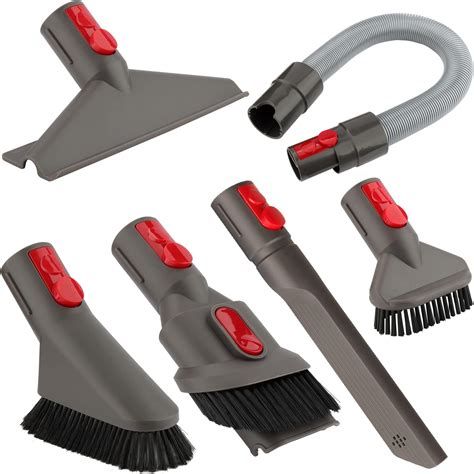
Compare the bundled tools: mini motorized heads, soft rollers, crevice tools, and docking/charging stations. Check whether desired accessories are sold separately and whether compatible aftermarket parts exist for long-term maintenance.
6. Maintenance and filter care
Both models will require periodic filter cleaning and hair clearing on brushbars. Confirm how easy it is to remove and wash filters, clear blockages, and replace worn brushbars. For Gen5Detect, keep detection optics free of debris for reliable operation.
Looking for the best Electronics deals on Amazon?
View Offers →7. Price versus value
Decide whether detection features or marginal efficiency improvements are worth a higher price compared to a proven model with strong overall performance. For many buyers, the best value may be a V11 in good condition (new or refurbished) paired with the right accessory set. For those who clean often and prioritize visible results on hard floors, Gen5Detect’s features can justify its premium.
Common questions and practical tips
Is one model better at pet hair?
Both models can handle pet hair well if equipped with motorized mini tools and a robust carpet head. V11’s strong suction tends to give it an edge on embedded hair in rugs; however, Gen5Detect’s heads are often optimized for fine dust on hard floors rather than deep hair extraction, so compare specific bundles.
Does the detection feature really help?
On hard floors, yes — visual detection makes a clear difference for fine particles that blend into surface finishes. It reduces the number of passes required to feel confident a floor is clean. On high-pile carpets the detection beam is limited in utility.
How important is battery swappability?
If uninterrupted long sessions are critical (for large homes or commercial settings), swappable batteries or dual-battery bundles can be a decisive factor. For smaller homes or daily short sessions, a single well-managed battery often suffices.
Maintenance checklist
- Empty the bin after each heavy session to avoid odor and maintain suction.
- Wash or tap filters regularly per the manufacturer’s schedule to sustain airflow and filtration efficiency.
- Check the brushbar for hair wrap; remove tangles promptly to protect the motor and bearings.
- For detection-enabled units, wipe the detection/illumination window with a soft cloth to keep the beam effective.
- Store on the dock or in a cool, dry place and avoid exposing batteries to extreme temperatures for longevity.
Conclusion
Choosing between the Dyson V11 and the Gen5Detect in 2026 comes down to priorities rather than a single “best” model. The V11 remains a compelling choice for buyers who need proven suction and carpet-cleaning power, backed by a broad accessory ecosystem. The Gen5Detect advances the experience for hard-floor households by making invisible dust visible and smoothing the daily cleaning workflow with refined ergonomics.
For mixed-floor homes and pet owners focused on deep cleaning, the V11’s established performance is a strong argument. For those with mostly hard floors who value visual confirmation and quicker daily maintenance, Gen5Detect’s detection technology offers a real, practical advantage. Ultimately, the right choice is the one that matches flooring, occupants, and cleaning habits — and both models represent high-quality options within Dyson’s cordless lineup.